Checking Out the Different Sorts Of Paint: A Guide for every single Task
Checking out the different sorts of paint is important for achieving the desired end result in any kind of project. From water-based options that supply ease to oil-based paints understood for their sturdiness, each option has its benefits. Specialized paints can include unique textures or coatings, while environment-friendly options satisfy those looking for sustainability. Comprehending these distinctions can substantially impact the success of a paint venture. What factors should one take into consideration when making the ideal choice?
Recognizing Paint Types: Oil-Based vs. water-based
Paint kinds can markedly influence a job's end result, and comprehending the differences in between water-based and oil-based paints is crucial for informed decision-making. Water-based paints, usually referred to as latex paints, are made up of water as the main solvent. They completely dry rapidly, emit fewer unpredictable organic compounds (VOCs), and are very easy to clean up with soap and water. This makes them a preferred choice for interior applications and environments where air high quality is a concern.
On the other hand, oil-based paints make use of organic solvents, supplying a durable, glossy coating ideal for surfaces revealed to tear and put on, such as trim and closets. They take longer to dry, need mineral spirits for cleaning, and have a stronger odor. corpus christi tx paint shop. Selecting in between these 2 types depends upon the details needs of the project, thinking about variables such as desired coating, application environment, and ease of maintenance. Each type has unique benefits and restrictions, leading the option process
The End Up Issues: Picking In Between Matte, Satin, and Gloss
When selecting a paint finish, the choice between matte and glossy options considerably impacts both aesthetic appeals and performance. Matte coatings use a refined, non-reflective look that can conceal surface blemishes, while glossy surfaces provide resilience and convenience of cleansing. Recognizing the advantages and factors to consider of each can aid in making an educated choice for any type of painting project.
Matte Finish Benefits
Numerous homeowners question the qualities of numerous finishes, matte paint supplies distinct advantages that make it a popular selection for both interior and exterior applications. Among the main benefits of matte coating is its capability to hide surface area flaws, creating a smoother look on walls. This quality is particularly useful in older homes or areas with uneven surface areas. Additionally, matte paint soaks up light instead than reflecting it, which can boost the visual of an area by supplying a much more soft and advanced appearance. Furthermore, matte finishes are usually simpler to repair than glossier choices, as they can mix much more flawlessly when applied over existing paint. In general, matte paint is an excellent choice for those seeking a fine-tuned and stylish coating.
Shiny Finish Factors To Consider
A shiny finish can significantly modify the perception of an area, supplying a smooth and reflective top quality that enhances both color vibrancy and light within an area. This finish is typically preferred for high-traffic locations and surface areas like bathroom and kitchens, where durability and ease of cleansing are essential. Its reflective nature can highlight imperfections on wall surfaces, making correct surface area preparation crucial. Glossy paints likewise often tend to reveal smudges and finger prints quicker, requiring routine upkeep. In addition, lights plays a significant duty; in intense environments, a shiny finish might develop glow, influencing the total aesthetic. Mindful factor to consider of the details application and setting is crucial when picking a glossy surface for any job.
Specialized Paints: When to Make Use Of Textured or Chalk Paint
Specialty paints, such as distinctive and chalk paint, deal special aesthetic and practical advantages that can boost numerous surface areas. Textured paint is optimal for creating deepness and dimension on walls, hiding flaws while including a three-dimensional feel. It is particularly advantageous in high-traffic locations where toughness and visual interest are essential.
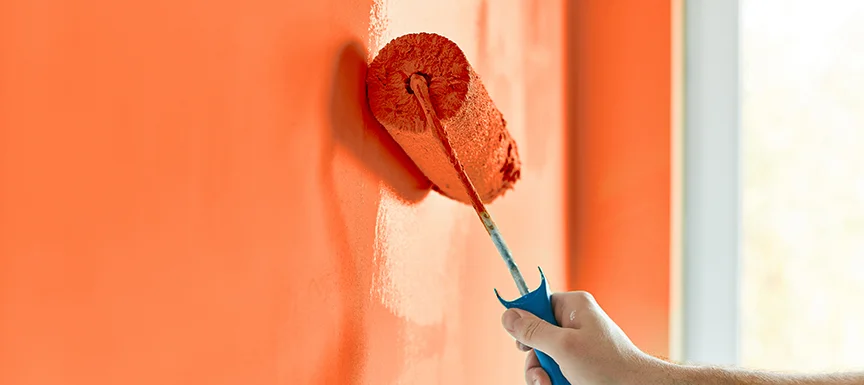
Both kinds of specialized paints can change areas, yet picking the appropriate one depends on the wanted result and surface area demands. Textured paint may suit larger areas, while chalk paint can renew smaller sized products, showcasing imagination and personal style in any kind of task.
Exterior Paints: Securing Your Surface Areas From the Components
Outside paints are necessary for protecting surfaces versus different weather condition conditions. Understanding their climate resistance attributes, appropriate surface prep work requirements, and reliable application strategies can considerably improve toughness and performance. This area will outline vital factors to consider for selecting and making use of exterior paints successfully.
Weather Condition Resistance Features
Weather condition resistance is a vital feature of exterior paints, as it identifies how well surface areas can withstand the extreme elements of nature. High-grade outside paints are created to withstand damages from UV rays, moisture, and temperature level fluctuations. UV resistance guarantees colors remain lively gradually, preventing fading and discoloration. Moisture resistance safeguards versus mold and mold, which can jeopardize the integrity of surface areas. In addition, paints with outstanding temperature level resistance can increase and contract without breaking, keeping their safety qualities. When choosing exterior paints, it is vital to consider these weather resistance attributes, as they add to the longevity and durability of colored surface areas, making sure they continue to be aesthetically pleasing and functional regardless of direct exposure to the elements.
Surface Preparation Requirements
Appropriate surface area prep work is a basic action in accomplishing the most effective outcomes with outdoor paints. To guarantee perfect bond and toughness, surface areas have to be extensively cleaned up, getting rid of oil, dust, and mold. This can be completed making use of a stress washer or a scrub brush with a suitable cleaning service. When cleaned up, surfaces ought to be examined for any peeling or flaking paint, which must be scraped away to create a smooth structure. Repairing any cracks or openings is likewise crucial, as these can permit wetness infiltration. In addition, fining sand harsh locations promotes better paint attachment. Using a guide fit for outdoor usage can boost the paint's efficiency, guaranteeing a long-lasting check here coating that stands up to the elements. Correct prep work is essential to an effective outdoor paint job.
Application Techniques Tips
While using outdoor paints, it is essential to make use of efficient techniques that assure surfaces are well-protected against the components. Select the right day for painting; reduced humidity and light temperatures improve adhesion and drying out. Prepping the surface extensively-- cleaning, fining sand, and priming-- ensures much better paint adhesion and toughness. Utilizing high-grade brushes or rollers can offer a smoother coating, while spray painting might cover big locations effectively. Using paint in thin, even layers prevents drips and runs. It is suggested to follow maker instructions regarding drying times in between layers. Finally, confirm correct ventilation during application to assist in drying out and lessen direct exposure to fumes. These methods substantially improve the long life and efficiency of outside paint.
Eco-Friendly Options: Low-VOC and Zero-VOC Paints
As customers come to be increasingly conscious of the environmental effect of their options, zero-voc and low-voc paints have actually become prominent options. These paints are created to have less unstable natural substances (VOCs), which are chemicals that can evaporate into the air and contribute to air contamination and health problems. Low-VOC paints normally have a minimal quantity of VOCs, while zero-VOC paints have minimal degrees, making them more secure for both exterior and interior usage.
The advantages of making use of zero-voc and low-voc paints expand past ecological considerations; they additionally improve interior air quality, lowering the threat of allergic reactions and respiratory problems. Several makers now offer a variety of shades and surfaces in green choices, making it simpler for customers to discover ideal items for their tasks. By selecting these paints, people can add to a healthier setting while still accomplishing the aesthetic they want in their areas.
Tools and Strategies for a Perfect Application
Accomplishing a flawless paint application calls for the right tools and strategies, which can substantially improve the result. Selecting the ideal brush or roller is crucial; brushes function well for edges and detailed areas, while rollers cover bigger surfaces successfully. Utilizing top notch materials assures better paint circulation and lessens streaks. For suitable results, surface area preparation is crucial. This includes cleansing, sanding, and priming surface areas to promote bond.
Technique additionally plays a considerable role. The "W" technique with a roller aids to uniformly disperse paint, while long, smooth strokes with a brush avoid noticeable lines. Operating in areas allows for far better control and blending. In addition, using thin layers is more suitable to thick layers, minimizing the risk of drips and unequal structures. Finally, preserving a damp edge throughout application aids accomplish seamless modifications in between areas. By integrating these techniques and tools, one can accomplish a sleek and professional coating.
Tips for Keeping and Taking Care Of Your Painted Surfaces
Correct maintenance and treatment of coloured surface areas can greatly prolong their life-span and maintain their look. Normal cleansing is necessary; using a soft cloth or sponge with mild soap and water can remove dust and dirt without damaging the paint. It is a good idea to stay clear of unpleasant cleansers or rubbing pads, as these can scrape the surface area. In addition, using a fresh layer of paint every few years can protect and revitalize the color against wear.
For outdoor surfaces, inspecting for indications of peeling or fading on a regular basis is vital. Without delay dealing with any issues avoids further damage. In areas susceptible to wetness, such as shower rooms, utilizing mold-resistant paint and ensuring proper air flow can aid keep the stability of the paint. Making use of protective coatings can protect against UV rays and discolorations, making sure that painted surface areas remain appealing and vivid for years to come, eventually boosting the general aesthetic of the room.
Visual Regularly Asked Inquiries
Can I Mix Different Kind of Paint With Each Other?
Blending various sorts of paint is typically not recommended, as it can result in issues like poor adhesion, inconsistent appearance, or unanticipated chemical responses. It's finest to utilize compatible paints for optimal results and durability.
Just how Do I Appropriately Shop Leftover Paint?
To correctly keep remaining paint, seal the container firmly, tag it with the date and color, and keep it in a great, completely dry location far from straight sunlight and extreme temperatures for excellent conservation.
What Is the very best Method to Take Care Of Unused Paint?
The most effective means to dispose of unused paint is to examine local policies, as lots of locations have actually marked hazardous waste facilities. Additionally, think about giving away useful paint to area organizations or schools for their projects.
Just How Can I Inform if Paint Is Still Excellent to Make Use Of?
To figure out if paint is still excellent, examine its smell, color, and uniformity. If it shows up separated, has an unpleasant smell, or reveals considerable modifications in texture, it's most likely no more functional.
Are There Age Restrictions for Acquiring Paint Products?
In numerous areas, there are no certain age limitations for purchasing paint items. Nonetheless, some stores might need clients to be at the very least 18 years old, specifically for products including solvents or hazardous products.
Paint types can significantly impact a task's result, and understanding the distinctions between water-based and oil-based paints is important for educated decision-making. Water-based paints, commonly referred to as latex paints, are composed of water as the key solvent. In contrast, oil-based paints make use of organic solvents, giving a long lasting, shiny surface perfect for surfaces subjected to wear and tear, such as trim and closets. Specialty paints, such as distinctive and chalk paint, offer special visual and functional advantages that can boost numerous surface areas. In locations susceptible to dampness, such as washrooms, making use of mold-resistant paint and making certain correct ventilation can assist maintain the stability of the paint.